
Astringent Espresso
Your espresso leaves a dry, puckering sensation on your tongue and cheeks
What This Looks Like
Compare your shot to these visual cues to confirm the symptom.
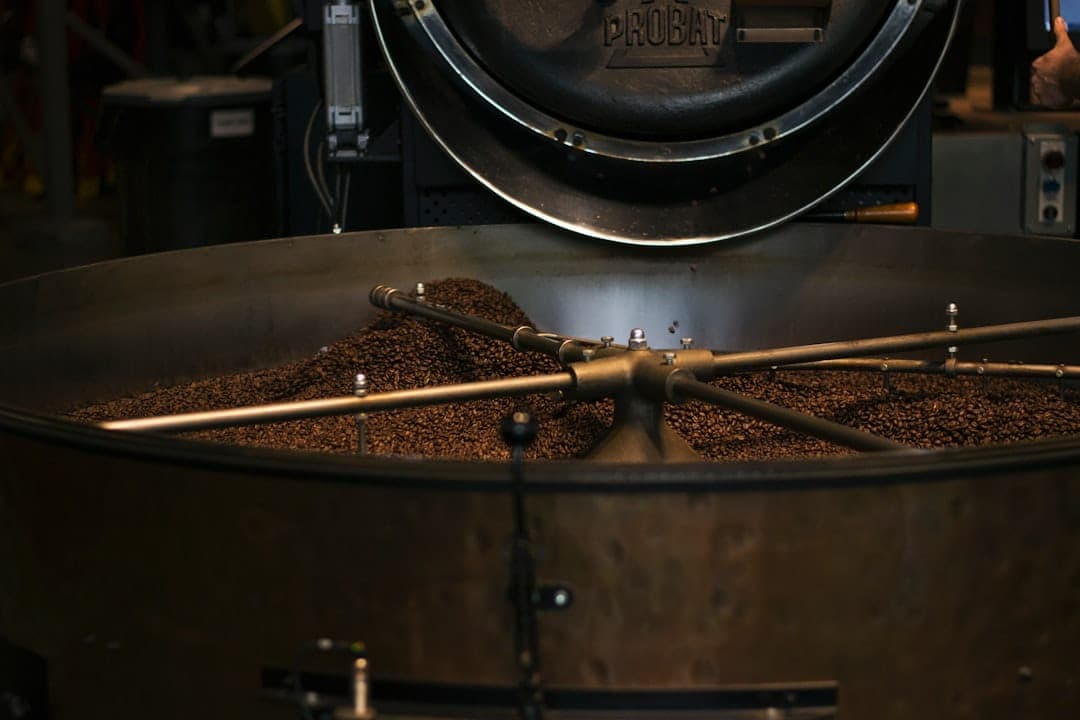
Extraction flow
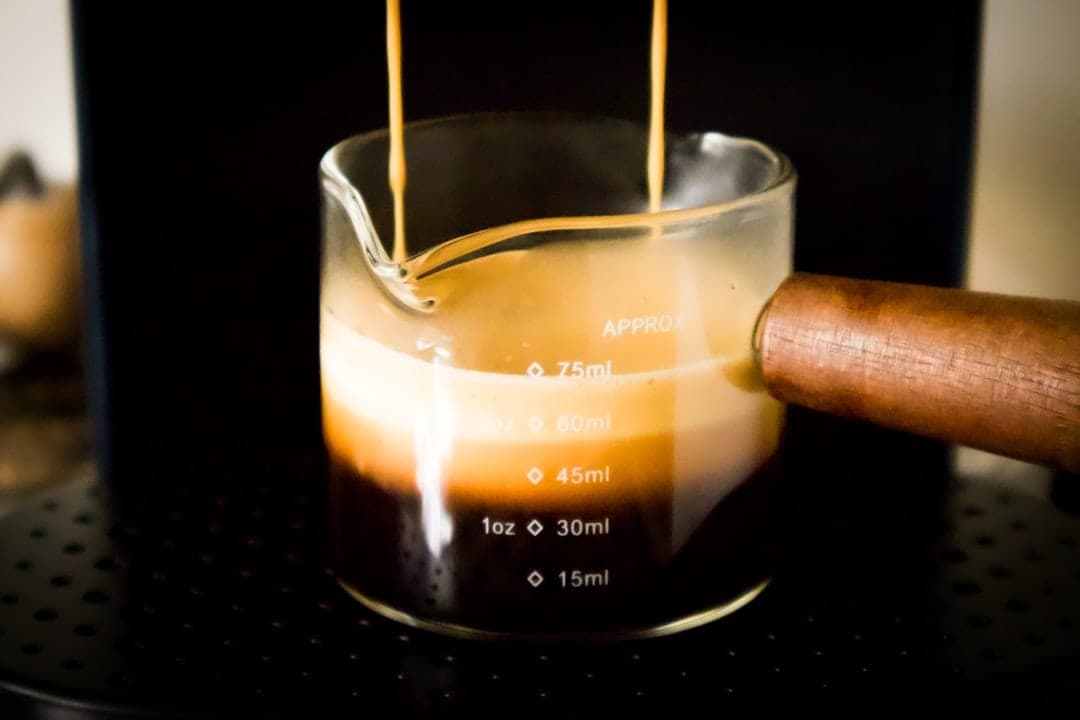
Crema color & texture

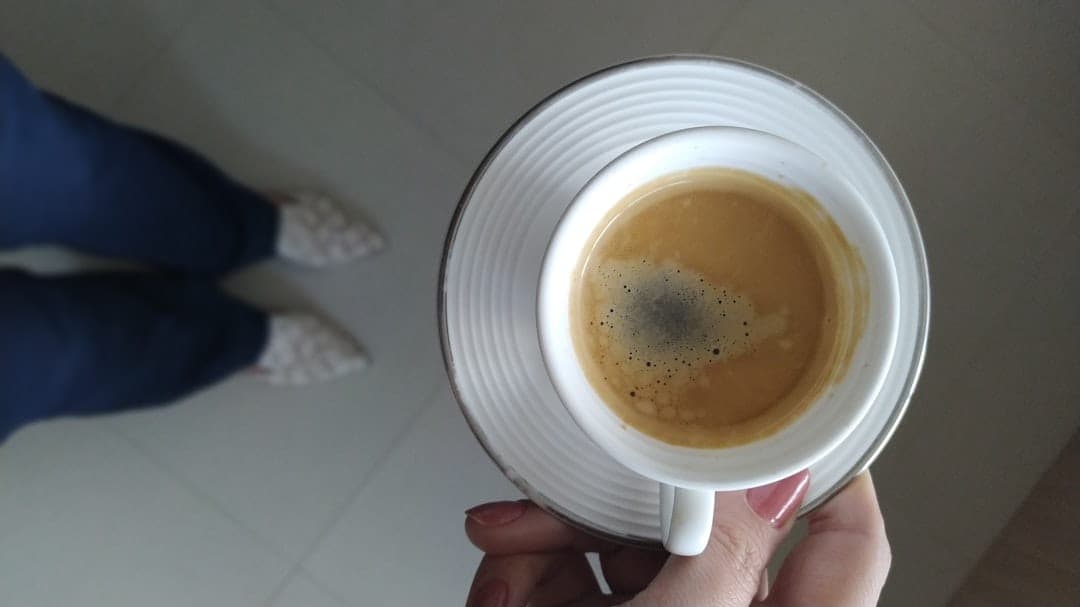
Cup appearance
Not sure about the cause?
Get a personalized diagnosis
Possible Causes
Uneven Puck Distribution
3 solutions available
Coffee grounds are unevenly distributed in the basket, causing channeling
Over-extraction
3 solutions available
Too many compounds have been extracted, including bitter and astringent ones
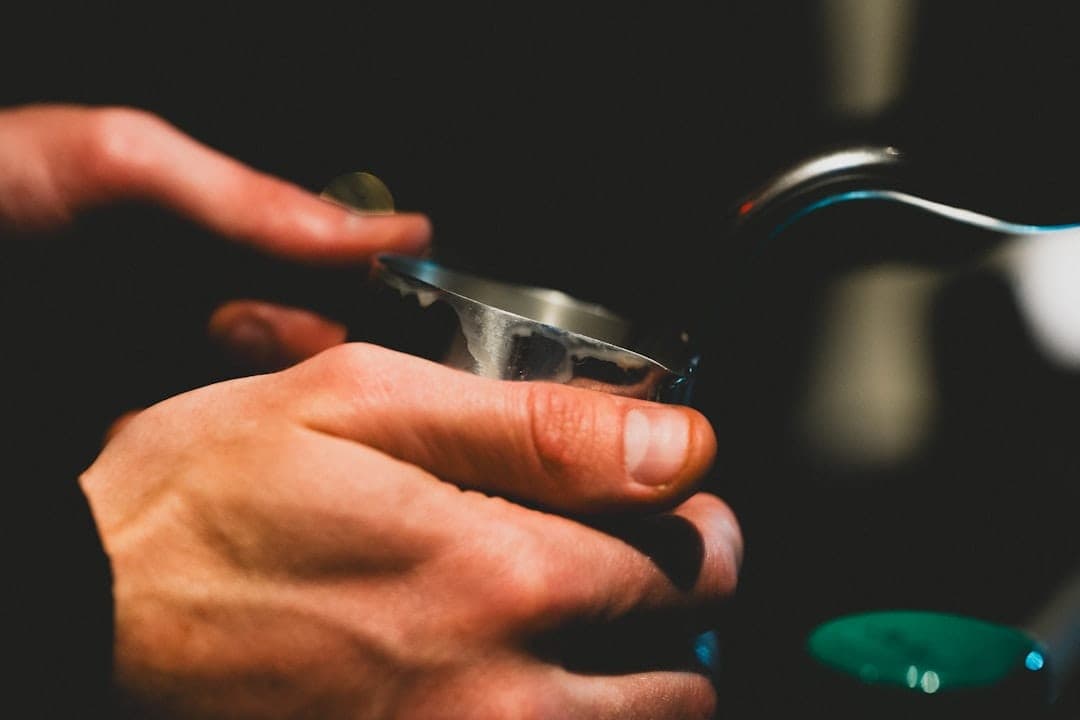
Water Temperature Too High
2 solutions available
Brewing water is above optimal temperature, causing over-extraction
Stale Coffee Beans
2 solutions available
Coffee beans are past their peak freshness, having lost flavor and CO2

Poor Water Quality
1 solution available
Water mineral content is too low or too high for optimal extraction
Recommended Solutions
Use WDT Tool for Distribution
Use a WDT (Weiss Distribution Technique) tool to break up clumps and evenly distribute grounds in your portafilter before tamping.
Expected Result
Eliminated channeling, more even extraction, consistent shot times.
Ensure Level Tamping
Apply even, level pressure when tamping. Use a leveling tamper or practice keeping your wrist straight and elbow at 90 degrees.
Expected Result
Even extraction across the puck, eliminated side channeling, consistent flavor.
Use Precision Filter Basket
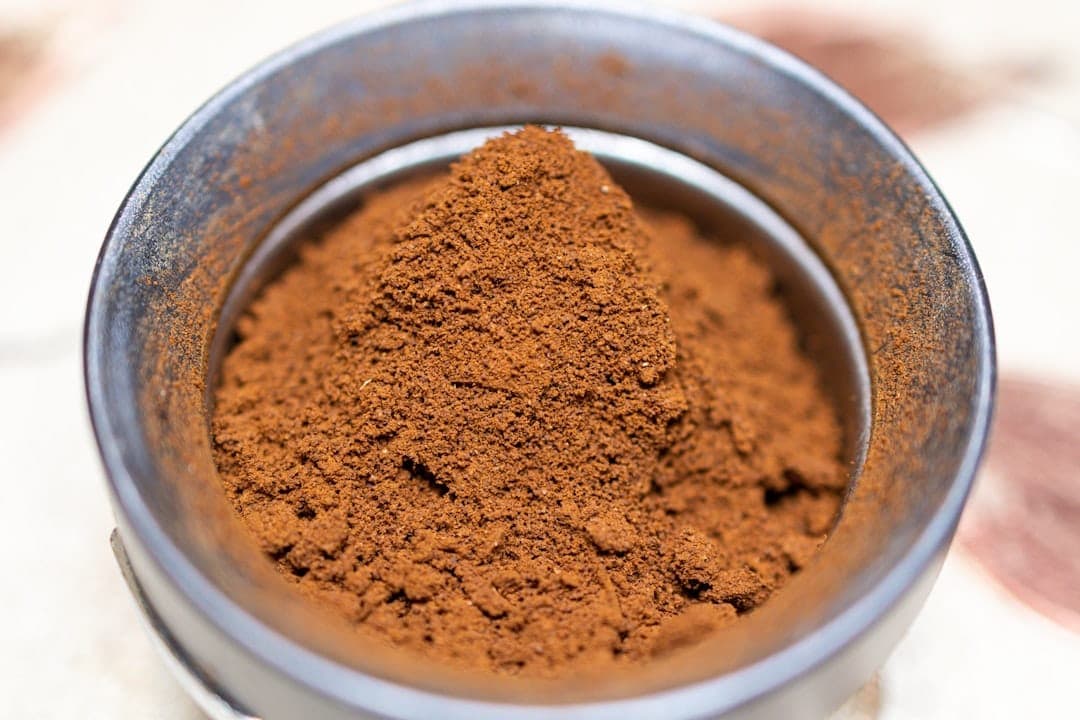
Replace your stock filter basket with a precision basket like VST, IMS, or Pullman. These have more consistent hole sizes.
Expected Result
More even extraction, better flow, reduced channeling potential.
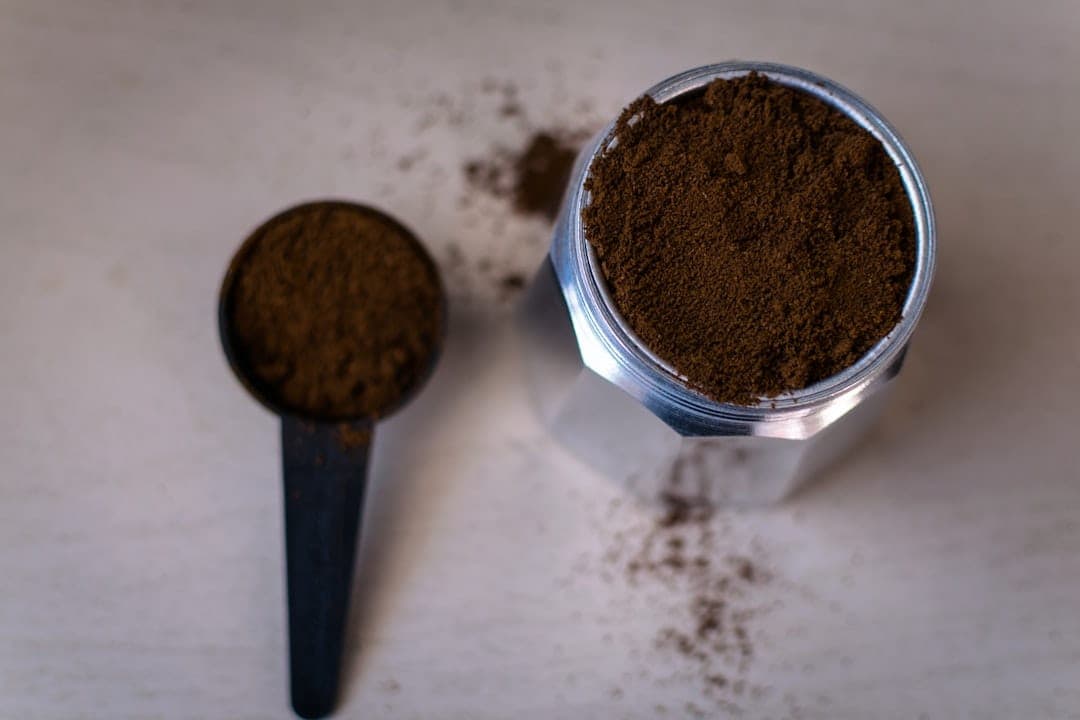
Grind Coarser
Adjust your grinder to produce coarser coffee particles. Make small adjustments (2-3 increments) and pull a test shot.
Expected Result
Extraction time should decrease by 3-5 seconds. Flavor should become less bitter and harsh.
Frequently Asked Questions
In-Depth Guide
Quick Diagnosis
If your espresso leaves a dry, puckering sensation on your tongue and cheeks, you're experiencing astringency. This is different from bitterness—astringency creates a physical drying effect, similar to unripe fruit or strong black tea.
Try to answer these first:
- Is your shot finishing faster than 20 seconds?
- Are you using very light roasted beans?
- Is your grind size too coarse for your dose?
What to Change First (in order)
-
Grind finer Increase extraction to balance out harsh tannic compounds. Start here: Grind Finer
-
Lower your brew temperature High temperatures can extract more astringent compounds.
-
Check your water quality Very soft water or high chlorine can contribute to astringency.
Common Causes
1) Under-extraction
Under-extracted espresso often tastes both sour AND astringent because the pleasant compounds haven't been fully dissolved.
- Learn more: Under-extraction
- Most common fix: Grind Finer
2) Very Light Roasts
Light roasts contain more chlorogenic acids that can taste astringent, especially when under-extracted.
3) Channeling
When water bypasses parts of the puck, those areas over-extract while others under-extract, creating astringent notes.
4) Stale or Low-Quality Beans
Old beans or beans with defects can taste papery and astringent.
FAQ
Q: What's the difference between astringency and bitterness? Bitterness is a taste detected by taste buds, while astringency is a tactile sensation—a drying, puckering feeling caused by tannins binding to proteins in your saliva.
Q: Can water quality cause astringency? Yes. Very soft water (low mineral content) or water with high chlorine levels can contribute to astringent espresso. Try using filtered water with balanced mineral content.
Q: Why does my light roast always taste astringent? Light roasts need higher extraction to taste balanced. Try grinding finer, using higher water temperature (93-96°C), and slightly higher ratios (1:2.2 to 1:2.5).
Q: Can my espresso machine cause astringency? Indirectly, yes. Poor temperature stability or pressure issues can lead to under-extraction, which causes astringency. Ensure your machine is fully heated and well-maintained.