Bitter Espresso: Causes and Clear Solutions
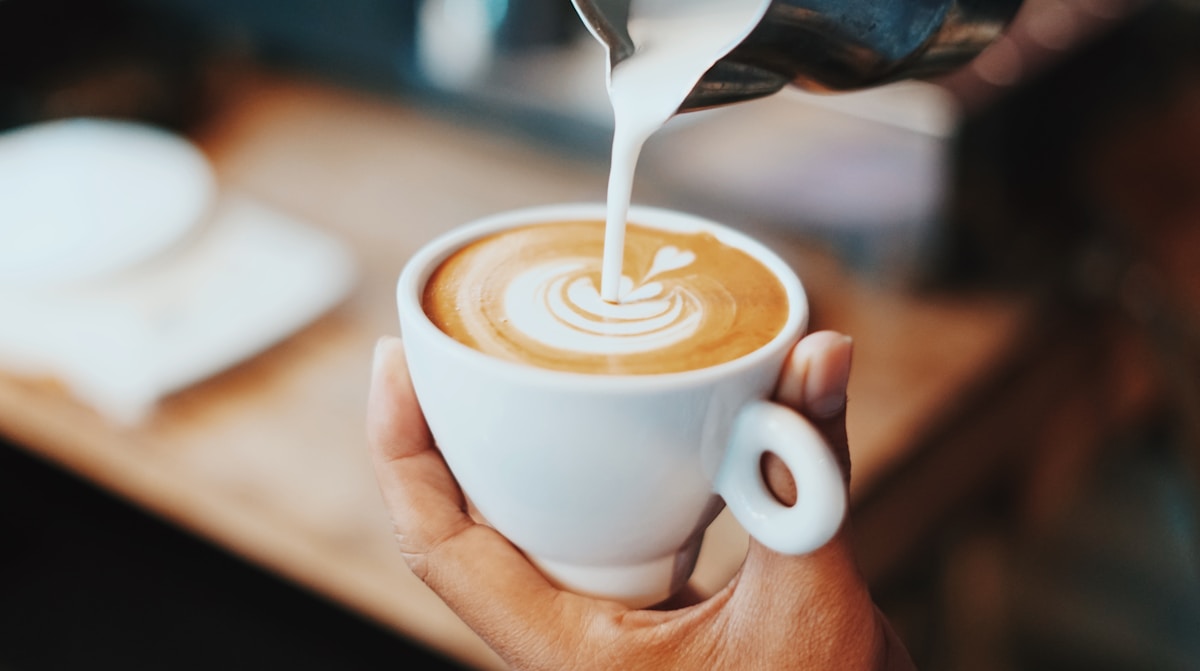
Why your espresso tastes like burnt aspirin, and how to fix over-extraction instantly. Don't throw the beans away until you try these three fixes.
You locked the portafilter, pulled a shot with perfect tiger stripes, and took a sip expecting velvety chocolate notes. Instead, you got hit with a harsh, drying bitterness that coats the back of your tongue and refuses to leave.
If your espresso tastes like burnt aspirin or over-steeped tea, you're experiencing the universal sign of over-extraction.
Here is exactly why your coffee has crossed the line from rich to ruining your morning, and the simplest ways to pull that bitterness back.
The Science of Over-Extraction
When hot water meets coffee grounds, it acts as a solvent. It always dissolves compounds in this exact order:
- Fruity, acidic flavors (sourness)
- Sweet, complex flavors (body and balance)
- Harsh, roasty flavors (bitterness and astringency)
If your espresso tastes overwhelmingly bitter, you let the water keep pulling flavor for too long.
The water lingered in the grounds, extracting all the pleasant acidity and sweetness, and moved right into the undesirable, astringent compounds hidden deep inside the coffee cell structure.
But what if the beans are just bad?
Yes, dark roasts naturally contain more bitter compounds. If the beans look oily and black, they will always taste somewhat bitter. But even dark roasts can be balanced if extracted correctly. Unless the beans are completely stale, you can likely fix them by altering your recipe.
3 Quick Fixes for Bitter Espresso
When fixing an extraction issue, remember the golden rule: only change one variable at a time. Try these fixes in order until the bitterness disappears.
Fix 1: Pull a Shorter Shot (Decrease Yield)
The simplest way to stop extracting bitter compounds is to stop the shot earlier. If the water stops flowing, it stops extracting.
To decrease your yield, reduce the amount of liquid espresso in your cup while keeping the dose of dry coffee the same.
- If you currently pull: 18 grams in, 45 grams out (a 1:2.5 ratio)
- Try pulling: 18 grams in, 36 grams out (a 1:2 ratio) or even a ristretto at 27 grams out (a 1:1.5 ratio).
By cutting the shot short, you leave those harsh, late-extracting compounds locked inside the puck instead of washing them into your cup.
Fix 2: Grind Coarser (Decrease Contact Time)
If you pulled a shorter shot and it still tastes bitter (or if the shot took an agonizing 45 seconds to drip out), your coffee bed is too dense.
When espresso is ground too finely, the water struggles to push through the puck. It spends too much time in contact with the coffee (contact time), leading to massive over-extraction.
- The Goal: Aim for your shot (from pump on to pump off) to take roughly 25-30 seconds.
- The Fix: Grind a notch or two coarser. The water will flow faster, spending less time extracting those bitter notes.
Fix 3: Drop the Temperature
Just as hotter water dissolves sugar faster than cold water, hotter water extracts coffee compounds much more efficiently. If your water is scalding, it will rapidly tear into the bitter compounds before the shot finishes.
- The Fix: If your machine has a PID (temperature controller), lower the brew temperature by 1°C or 2°F (e.g., from 93°C to 92°C).
- Note on Dark Roasts: Dark, oily beans are highly soluble and extract very easily. They almost always taste better (and less bitter) when brewed at a lower temperature (88°C-90°C).
Hidden Channeling: The Secret Cause of Bitterness
What if your shot ran fast (20 seconds), tasted sour at first, but finished with an awful, drying bitterness?
You might be experiencing channeling.
Channeling happens when water takes the path of least resistance through cracks in your coffee puck. The water avoids most of the coffee (causing sourness from under-extraction), but relentlessly over-extracts the tiny localized area inside the channel (causing intense bitterness).
How to Fix Finding Channels:
- Ensure your coffee bed is perfectly level before tamping.
- Consider using a WDT (Weiss Distribution Technique) tool to break up clumps.
- Check your tamping pressure to ensure it feels firm and even.
🔧 Still Tasting Bitterness?
Stop Guessing. Get a Diagnosis.
Tell our Bayesian engine exactly what happened during your shot—how fast it ran, what it tasted like, and what machine you use. It will calculate the single highest-probability fix within 30 seconds.
→ Diagnose My EspressoStill struggling with your espresso?
Stop guessing. Identify your issue in 3 questions with our Interactive Diagnosis Tool.